October 23, 2026
Road-Tripping With Your Dog
Road-Tripping With Your Dog: Keeping Them Busy in the Car and at Your Accommodation
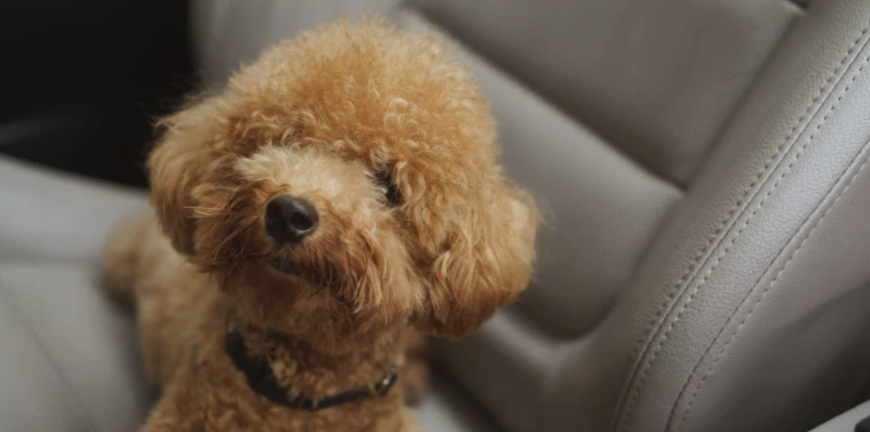
Three hours into a road trip, the novelty of a new smell out the window wears off fast for most dogs.
What follows is either a nap, a lot of whining, or a very determined attempt to chew the seatbelt strap. A bit of planning around how you keep a dog occupied, both in the car and once you’ve arrived, makes the whole trip smoother for everyone in it.
Before You Even Load the Car
Pack for boredom, not just for meals. A water bowl and food are obvious. What people forget is that a bored dog in a moving car, or a bored dog in an unfamiliar Airbnb, tends to find its own entertainment, and it’s rarely something you’d have chosen for them.
A few things worth throwing in the boot specifically for the boredom problem:
- A travel water bowl that doesn’t slosh everywhere on braking
- A familiar blanket or bed for the unfamiliar accommodation
- A couple of long-lasting chews, kept back specifically for the trip and that first strange night
- A basic first-aid kit, because scrapes seem to happen twice as often once you’re away from home
- A towel or two, for muddy paws before they hit a hotel carpet or a rental’s floors
None of this needs to take up much space. A small dedicated bag for these items, packed once and reused for every trip, saves the scramble of trying to remember everything the morning you’re meant to leave.
Why a Long-Lasting Chew Does More Work Than a Squeaky Toy
A squeaky toy is good for five minutes of car entertainment before it ends up wedged under the passenger seat.
A genuinely long-lasting chew, something dense enough to hold a dog’s attention for half an hour or more, solves a different problem: it gives a dog something to genuinely do during the stretch of driving where there’s nothing else going on.
Preventive Vet’s guidance on choosing safe chews points out that supervision matters regardless of the chew, since even durable, well-made chews carry some choking risk if a dog manages to break off a large piece.
That’s worth keeping in mind specifically in a moving car. A chew handed to a dog in the back seat, with nobody able to watch closely while driving, isn’t quite the same situation as one given at home on the lounge room floor.
The safer version of this: give a long-lasting chew during rest stops or once you’ve arrived and can genuinely keep an eye on things, rather than as a set-and-forget distraction while the car is moving at highway speed.
Choosing a Chew That Really Suits the Trip
Not every long-lasting chew suits every dog or every kind of trip. A few things worth matching to the situation:
Size and chewing strength. A determined chewer will get through a small chew in minutes, which defeats the purpose on a long drive. Size the chew to how hard, and how often, that particular dog really chews. That matters a lot more than grabbing whatever’s cheapest off the shelf.
Mess tolerance. Some long-lasting chews, particularly softer or oilier ones, aren’t ideal for a car with cloth seats. A firmer, drier chew tends to travel better without leaving a mark on the upholstery.
How the dog already behaves with chews at home. A dog that’s never destroyed a chew in ten minutes flat at home is unlikely to suddenly become that dog on the road, and the reverse is just as true. Base the choice on known behaviour rather than hoping a new environment changes an old habit.
The Accommodation Half of the Trip
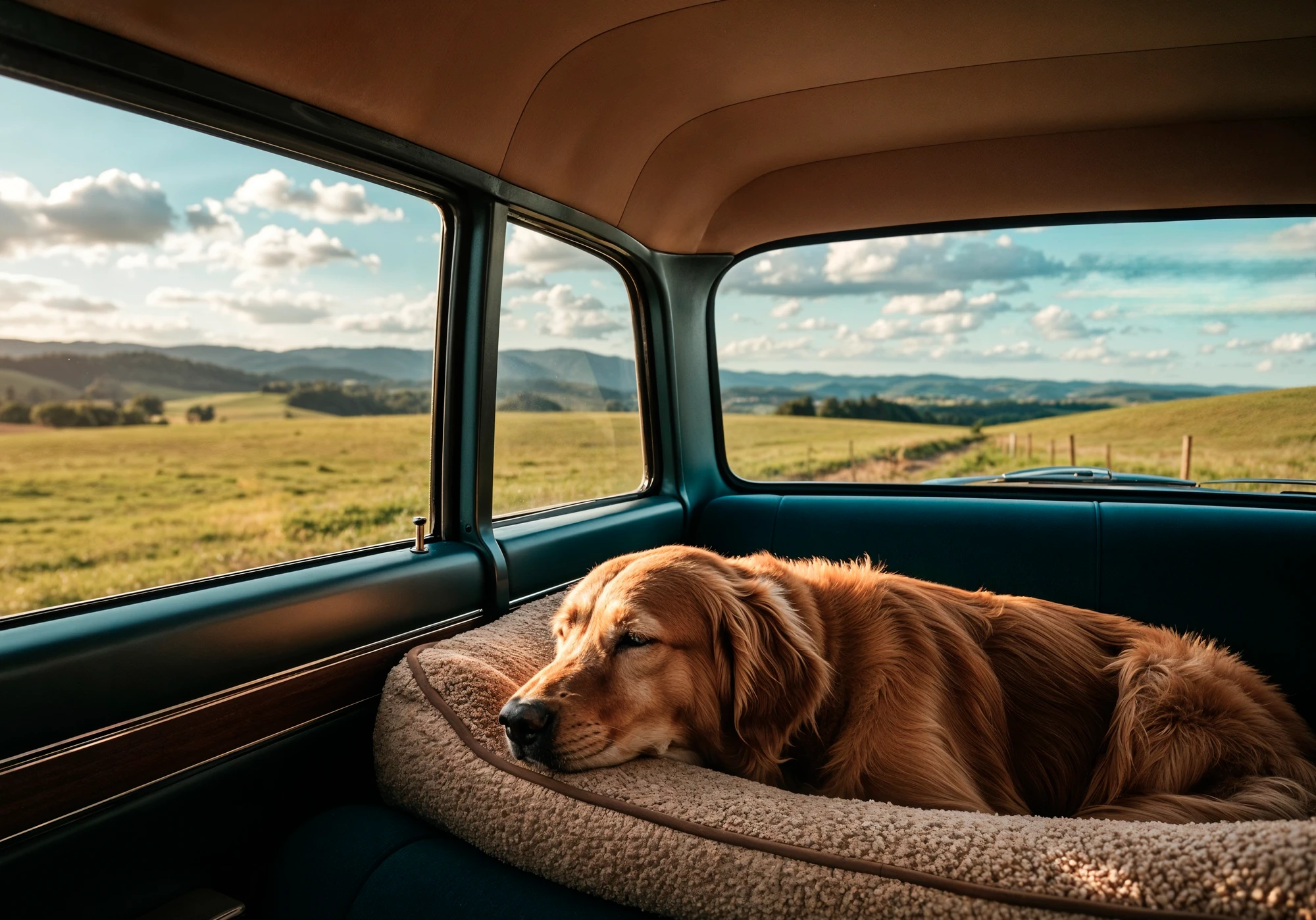
The car isn’t the only place a bored dog causes problems. A dog left alone in an unfamiliar holiday rental, even briefly, is far more likely to chew on something it shouldn’t than one left alone in its usual home.
The ASPCA’s position on dog chews notes that providing appropriate chew toys is a standard, sensible way to redirect destructive chewing when a dog is bored or anxious, exactly the situation a new environment tends to create.
A long-lasting chew handed over as soon as you arrive, before unpacking, before exploring, gives a dog something familiar and satisfying to focus on while everything else around it is new.
It’s a small thing, but it tends to take the edge off the first hour or two in a strange place, which is often when accidents or anxious behaviour show up.
A Simple Rule of Thumb
If it wouldn’t be safe unsupervised at home, it isn’t safe unsupervised in the car or in a rental either, arguably less so, given the unfamiliar surroundings and lack of a dog-proofed space.
Long-lasting chews are genuinely useful for road trips specifically because they reward calm, contained chewing rather than the kind of frantic boredom that leads to a chewed door frame or a very unimpressed property manager.
Packing a couple of long lasting dog chews alongside the usual road trip essentials, water, bedding, and a first-aid kit, is a small addition that solves a specific, predictable problem rather than trying to fix boredom after it’s already turned into a mess.
None of this needs to be complicated. Pack for it, expect some hiccups anyway, and a chew handles a surprising amount of the boredom problem on its own. It won’t fix a dog that genuinely hates the car.
For most dogs, though, it buys real, calm time exactly when things would otherwise start to unravel.
Nobody’s chasing a silent car or a perfectly settled first night. Just fewer chewed cords, fewer scratched door frames, and a dog a bit more at ease than it would’ve been left to its own devices.