September 1, 2025
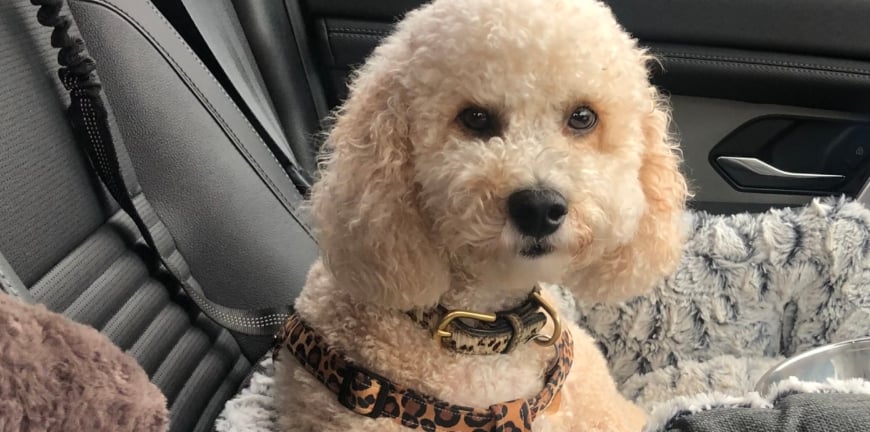
Preparing Your Dog or Cat for Their First Road Trip
Preparing Your Dog or Cat for Their First Road Trip.
Have you been thinking about taking your pet with you on a road trip but are anxious about how to go about it? Travelling with pets requires more than just tossing their supplies in a car and setting off with your pet. On my first road trip with my silver tabby, Gershwin, I learnt the hard way that he got motion sickness. Now I always try to avoid trips that have too many bendy roads, pack a good travel spray that eases nausea, and make sure I have a packet of wet wipes for any mishaps!
This guide walks through everything pet owners need to know from pre-trip preparation to car travel essentials, feeding routines, and pet-friendly pit stops. Read on if you’re ready to start planning the adventure of a lifetime.
1. Know Your Pet’s Personality Before Hitting the Road
Before you book anything, you first need to make sure the trip you’re imagining is something that actually suits your pet’s personality and interests. Some pets are curious and love exploring while others can be quite shy and get overwhelmed with too much stimuli.
Ask yourself:
- Does your pet enjoy car rides or do they tremble when you try to take them anywhere?
- Have they ever spent more than an hour in a carrier or harness?
- Do they adjust well to new environments, smells, and strangers?
If your pet gets carsick, panics in unfamiliar places, or has severe anxiety, it might be kinder to explore pet-sitting or house care instead. But if they’re eager explorers or if they can handle it with just a little time to adjust, then feel free to take the next steps.
“For dogs that suffer from travel anxiety, simple calming techniques like creating a familiar environment in the car with their bed or favourite toy can make a world of difference. In some cases, natural calming remedies or pheromone sprays may also help. The key is patience and reassurance so your pet feels safe,” says Nathan from Pet Memorial Australia.
2. Get Your Pet Used to the Car
For pets that aren’t used to travelling on the road, the car is a strange, noisy, and unsettling space. Before the trip, it might help to start a car training routine at home. The aim is to build positive associations with the vehicle so your pet feels safe in it.
For dogs:
- Let them sit in the car (parked, engine off) for a few minutes while feeding them treats or their favourite chew toy.
- Start them off with short drives around the block. Slowly increase the duration as they get comfortable.
- Reward calm behaviour with praise and rewards. Avoid punishing them for being afraid.
For cats:
- Leave their travel carrier open in your home or a safe space for the cat for a week or two before the trip.
- Place treats or their favourite blanket inside the carrier.
- Move the carrier into the car and follow the same gradual exposure method as you would for a dog.
By week two, your pet should start seeing the car as a safe space and not a stressor. Stay patient if they’re scared and never rush the process.
3. Plan Your Route With Pets in Mind
You may be a seasoned traveller but travelling with pets is a whole different ballgame and you will have to adjust your expectations. Make sure you plan for water stops, toilet breaks, and little stops to run around and play.
Things to consider:
- Pet-friendly pit stops: Choose rest stops with some shaded grass or quiet walking trails, or opt for dog-friendly parks and beaches.
- Avoid extreme weather routes: If you’re passing through a desert stretch or rainy region, prepare for how it might affect your pet’s comfort. You can bring doggy rain jackets or umbrellas to prepare for the extreme weather. According to the RSPCA, pets should never be left unattended in a vehicle as temperatures can rise dangerously fast—even in mild weather.
(Source: https://www.rspca.org.au/take-your-pet) - Emergency vet clinics: It helps to mark a few vet clinics or hospitals along the way just in case of an emergency.
Bonus tip: Don’t expect your trip to go as planned. Pets can be a wild card and a trip with them can lead to unexpected outcomes.
4. Pack a Pet-Specific Travel Kit
Just as you would prepare your own travel essentials, make sure you prepare properly for your pet as well. A well stocked pet kit should have the basics as well as some safety and health products just in case.
The basics:
- Food & Treats: Bring their preferred food brand and bring enough for the entire trip, plus extra in case of delays. Changing brands abruptly can upset stomachs.
- Travel Food and Water Bowl: Collapsible bowls are space-saving and easy to clean and bring around.
- Lead or Harness: For dogs, a sturdy harness is safer than a collar for travel stops because it gives better control. For cats, a well-fitted harness can give them safe outdoor time.
- Waste Bags & Litter: Dogs will need poop bags for easy clean-up while on move, while cats would require a travel litter box and some litter unless they’re trained to potty on soil.
- Favourite Blanket or Bed: A familiar scent will help them settle in unfamiliar places.
- Toys or Chews: Keeps them entertained and comforted throughout the trip.
For safety and health:
- Any medications they need, plus a copy of their vaccination records.
- Pet first aid kit (bandages, antiseptic wipes, tweezers).
- Towels for muddy paws, spills, or sudden rain showers.
Pack these items in an easy-to-reach bag so you’re not digging through the boot when your pet needs water in a hurry.
5. Feeding & Hydration on the Road
Feeding your pet right before setting off can lead to motion sickness and a possible need to potty early on in the trip. It’s smart to feed them at least three hours before departure.
On the road:
- Offer water at every stop, but feed them lightly during travel hours.
- For longer trips, schedule a proper meal during a long break where they can walk, digest, and potty before getting back in the car.
- Cats may drink less when travelling so monitor them closely and encourage water breaks.
- Stick to familiar digestible foods during the trip so as not to upset their tummies.
6. Safety Comes First
Having your pet moving loose in a moving vehicle is dangerous for both you and your pet. They can get excited and distract the driver, escape when the door opens, or get injured if the car brakes or turns abruptly.
Best safety options:
- For dogs: A crash-tested harness that clips into the seatbelt, a car-safe dog travel seat or a secured travel crate will keep your dog safe during car rides.
- For cats: A well-ventilated carrier that’s roomy enough for them to stand, turn, and lie down.
Never let your pet ride with their head out the window. It might look like fun, but flying debris and sudden stops can cause injury. Also, never leave them alone in a parked car, even if the car is under a carport or shaded area, as heat can build to dangerous levels in minutes, even when it doesn’t seem that hot.
7. Practise Good Pet Etiquette on the Road
When staying in pet-friendly accommodation or stopping at public places, remember to make sure you and your pet are at your best behaviour. A good experience for your host or other travellers means more pet friendly accommodations in the future.
Golden rules:
- Always clean up after your pet, even in rural stops.
- Keep them on lead unless in a clearly designated off-leash area.
- Prevent excessive barking or yowling that might disturb neighbours.
- Respect property rules. No pets on furniture unless covers are provided.
Leaving a place tidy, with no sign of your pet’s stay beyond happy memories, helps maintain strong relationships between travellers and pet-welcoming businesses.
8. Avoid Common Pet Travel Mistakes
Even with the best intentions, some missteps can turn a great trip into a stressful one.
- Underestimating rest stops: Skipping breaks to “make good time” often backfires with a restless or uncomfortable pet.
- Not securing the pet: Loose pets risk injury in sudden stops and can distract the driver.
- Skipping familiar items: Leaving their favourite bed or toy at home can make settling in harder.
- Overfeeding before or during travel: This is a quick route to carsickness.
9. Preparing for the Journey Home
The return trip often feels easier. You and your pet have already adapted but it’s worth giving it as much care as the outward journey.
- Stick to the same stop schedule and feeding times.
- If your pet enjoyed certain comfort items or music, repeat them.
- When you arrive home, unpack their belongings first so they can settle while you handle the rest.
Final Thoughts
A road trip with your dog or cat can deepen your bond in ways that staying home never will. You’ll share new sights, smells, and adventures. And if you plan well, you’ll avoid the pitfalls that make some swear off pet travel for good.
With the right preparation, patience, and respect for your pet’s needs, that first journey will be the start of many more miles together. Each one a memory you’ll be glad you made.
Author Bio
Written by Carla Francis, author of “Travelling with Pets on Australia’s East Coast” and founder of Pet-Friendly Accommodation. Carla holds a Diploma in Feline Behaviour and Psychology and has over a decade of experience travelling with pets.
