April 5, 2026
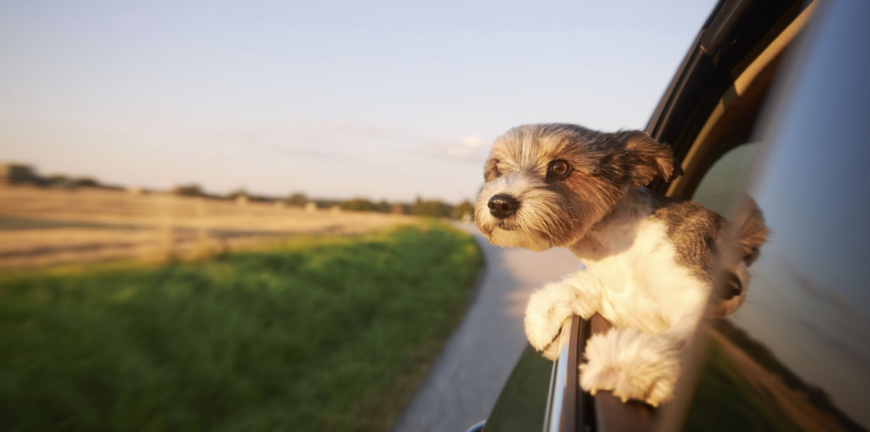
Planning Tips to Make the Most of Your Pet Vacay
Planning Tips to Make the Most of Your Pet Vacay.
For many pet owners, a holiday doesn’t feel complete without their four-legged companion coming along for the adventure. Dogs in particular thrive on being included in family activities, and travelling together can turn an ordinary trip into something far more memorable. Along with finding the perfect pet-friendly accommodation, so your whole team can have an idyllic stay, planning a pet vacay means thinking ahead about your transport, your pet’s comfort and how to keep them safe and relaxed in unfamiliar environments.
With the right preparation, you can avoid common travel hiccups and focus on enjoying the experience together. Below are some practical planning tips to help you make the most of your next pet vacay.
Arrange a Pre-Travel Vet Check
Before heading off, it’s a good idea to book your pet in for a quick check-up with your vet.
In our experience working with pet-friendly accommodation providers many often request vaccination certificates or proof of flea treatment, so ensure your pet is up to date with vaccinations and fit for the journey ahead. This is especially important if you’re travelling to a new region where your pet may be exposed to unfamiliar environments, parasites or other animals. For example, if you’re travelling from Victoria to Tasmania on the ferry, you might be exposed to different environmental conditions or parasite risks that aren’t as common at home.
The Australian Veterinary Association recommends a pre-travel health check, especially when visiting new regions with different parasite risks. Government travel advice also recommends speaking with a vet before travelling to ensure vaccinations and parasite prevention are up to date.
Your vet can also provide advice tailored to your destination, like flea, tick or worming treatments that may be recommended in certain areas. If your pet experiences anxiety during travel, they may suggest calming strategies or medications to help keep them relaxed on the road. It’s also worth confirming that your pet’s microchip details and identification tags are current, just in case they become separated from you while away.
Prepare Your Pet for Travel
Just as people prepare themselves for travel, pets benefit from a little preparation too. If your dog isn’t used to long drives or new environments, gradually introducing them to travel can make a big difference. Cats are generally not known for their love of car rides so be sure to build up slowly over time. One of my cats always knew before we set off on a trip and would often hide because he associated car rides with the vet, so try to make car journeys pleasurable for your pet, not just when they are sick and need to see the animal doctor.
Short practice trips can help your pet become comfortable in the car before undertaking a longer journey. Start with a 45-minute journey to a local nature spot or dog-friendly hike at least two weeks before your travels. If your destination is more than four hours away, try to take another practice trip of around two hours, just to build familiarity with longer car rides. These shorter outings allow them to associate car travel with positive experiences rather than stress or uncertainty. Over time, your dog will become more relaxed about spending extended time in the vehicle.
Training and socialisation are also helpful when visiting new places. A dog that responds well to basic commands and is comfortable around unfamiliar people or animals will adapt far more easily when travelling.
Choose Pet-Friendly Accommodation Early
A common issue is assuming “pet-friendly” means fully secure—many properties allow pets but don’t have enclosed yards, which can be a problem for dogs that aren’t recall-trained.
When doing research for suitable listings use the pet-friendly filter on various booking platforms or buy a pet-friendly travel guide, remember some properties are better suited for different types of pets than others. For instance, a dog-friendly backyard needs to have a securely fenced area for dogs to run and play.
Be sure to review property photos and descriptions carefully to see whether the environment will suit your pet. Many listings provide detailed information about pet-specific features, like leash requirements, rules about leaving pets unattended and special amenities like dog beds or enclosed patios. Try to book your accommodation at least two months in advance to give yourself as many lodging options as possible and enough time to prepare for the trip.
The Right Car and Pre-Trip Safety Checks
Before you set out on a road trip with your pet, it’s best to book your car in for any servicing or repairs in order to avoid risks of breakdowns. If you do happen to experience a breakdown it’s best to take action as swiftly as possible to avoid stressing them.
Thankfully, there are plenty of independent businesses trading all across Australia, and finding service providers in whatever region you’re in is easy enough with Google. For instance, if you experience a collision while on the way to Geelong from Melbourne, simply search for smash repair in Laverton or Werribee, or even locate one near the destination to be extra safe in the case of anything going wrong with your car.
Alongside addressing repairs, a quick pre-trip vehicle check can help avoid unexpected issues. Ensuring your air conditioning works well is also important, especially when travelling with pets during warmer months. A comfortable, reliable car sets the foundation for a smooth holiday experience.
Pack a Pet Travel Kit
Creating a packing list for a pet holiday means thinking about everything your pet normally relies on at home. Familiar items can provide comfort in unfamiliar surroundings, helping pets settle in quickly once you reach your destination.
Your pet’s travel kit should include their usual food, bowls for food and water, a collar and lead and identification tags with updated contact details. Bedding or a favourite blanket can make new environments feel more familiar, while toys help keep your dog entertained during downtime.
Pack waste bags and towels—you’ll almost always need them after the first stop. Plus any medications your pet may need. Having these items easily accessible during the trip helps make rest stops and daily routines much easier to manage.
Plan Your Road Trip Stops
Drives over 4 hours can become uncomfortable for both pets and people, so planning regular stops is an important part of the journey. Most dogs benefit from a break once an hour to stretch their legs, drink water and relieve themselves. Try to stop every hour for at least 10 minutes for your pets and humans to get a rest and reenergise themselves. While hourly stops are a good starting point, many dogs settle better with breaks every 60–90 minutes once they’re comfortable.
Rest areas, parks or quiet outdoor spaces can provide safe opportunities for these breaks. Allowing your dog to move around and explore briefly can reduce restlessness and make the remainder of the drive far more enjoyable. These stops are also great for drivers, as it’s never a good idea to drive for too many hours without a rest. A break will help drivers maintain focus and prevent fatigue during longer road trips. It’s also a good opportunity to stop and meet other pet owners doing the same type of journey and swap stories and tips on pet travel.
Keep Your Pet Safe and Secure in the Car
Safety should always be a priority when travelling with animals. Allowing pets to move freely inside a vehicle can create distractions and increase the risk of injury during sudden braking or sharp turns.
The RSPCA recommends securing pets with a harness or crate to reduce injury risk during sudden stops.
Using a pet harness that connects to a seatbelt or placing your dog in a secure travel crate can help keep them safe throughout the journey. Larger dogs may also travel comfortably in the boot area when separated by a barrier designed specifically for pets. Another important rule is never leaving pets inside parked vehicles, particularly in temperatures above 25°C. Even mild temperatures can quickly heat the interior of a car, creating dangerous conditions for animals.
Maintain Familiar Routines
Pets thrive on routine, and holidays can disrupt their normal schedule. Maintaining familiar feeding and walking times can help reduce stress and make it easier for your pet to adjust to new surroundings.
Once you arrive at your accommodation, give your dog time to explore calmly while on a lead. Showing them where their food, water and bedding will be placed helps them feel more secure in the new space. A common mistake is packing brand-new toys—most pets ignore them and look for familiar scents instead. Bringing items that smell like home, like their favourite blanket or toy, is also a great way to bring a sense of comfort and familiarity on the trip with you all and reassure them on the first night in an unfamiliar place.
Buckle Up and Enjoy the Ride!
Travelling with dogs, cats or any other pets may require a little extra preparation, but the rewards are well worth the effort. With thoughtful planning, a safe vehicle and the right supplies on hand, your holiday can be comfortable and enjoyable for everyone involved.
By taking the time to prepare properly and considering your pet’s needs at every stage of the journey, you’ll have a stress-free pet holiday and be able to relax and enjoy the adventure together. After all, some of the best holiday memories are made when the entire family – including the four-legged members – gets to be part of the experience.
Author Bio
Written by Gabi Alves, with experience working with pet-friendly accommodation providers and helping pet owners plan stress-free travel.