August 4, 2026
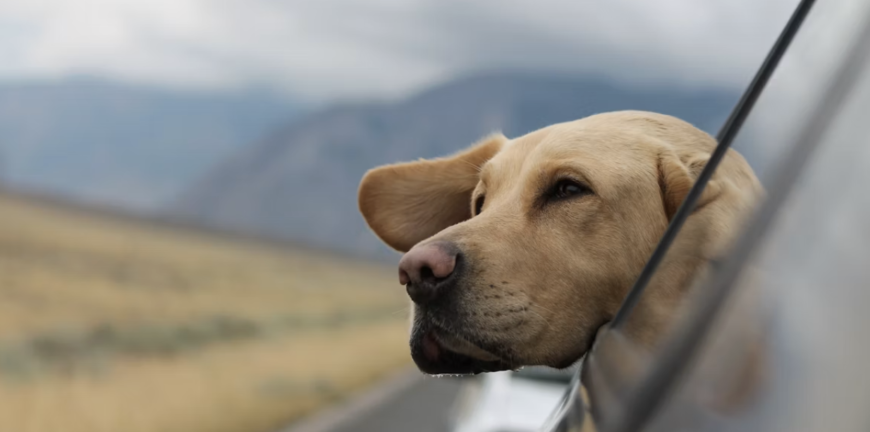
Navigating Pet Care While Exploring New Destinations
Image credit Unsplash
Bringing your furry best friend on holiday is one of the great joys of being a pet owner. The good news is, more and more places are welcoming our four-legged family members. But before you pack up the car and head out, it’s smart to think about your pet’s health and safety. A little planning can make sure your trip is great for everyone.
After travelling with my own pets to hundreds of pet-friendly properties across Australia, I’ve found that “pet-friendly” can mean anything from a securely fenced cottage to a holiday home where dogs are only permitted outdoors. I always confirm the rules directly with the host before booking.
Before You Book: Vet Checks and Local Knowledge
A good trip starts long before you leave home. A pre-travel veterinary check can help ensure vaccinations, parasite prevention and any prescription medications are current. Your veterinarian can also advise whether your destination has seasonal risks such as paralysis ticks, snake activity or heartworm. This is extra important if you’re going to a new area where different pests might live. It’s also the perfect time to talk about any travel anxiety your pet might have and get tips on how to handle it.
I’ve learnt that the nearest emergency vet isn’t always in the town you’re staying in, particularly in regional Australia, so it’s worth checking driving times before you arrive.
Once you know where you’re going, do a little research online. Knowing where to get help in an emergency will make you feel much more confident. A quick search for the local vet in Townsville or in the area you’re visiting can save a lot of stress if your pet suddenly gets sick. Write down the clinic’s name, address, and phone number, and save it in your phone.
Packing a Pet-Safe Travel Kit
Just like you pack your own essentials, your pet needs their own travel bag. Forgetting a favourite toy or their specific food can cause unnecessary stress. A well-packed kit means your pet feels safe and you’re ready for anything.
Your pet’s travel kit should include:
- Their usual food and treats to avoid upset stomachs.
- Portable food and water bowls.
- A copy of their vaccination records and any important medical history.
- Any regular medicines they take, with enough for the whole trip.
- A pet first-aid kit with things like antiseptic wipes, bandages, and tweezers.
- Familiar bedding, blankets, or toys that smell like home.
- Poop bags, a lead, and a collar with an ID tag that has your mobile number.
Scoping Out the Accommodation Itself
“Pet-friendly” can mean different things to different property owners. It’s really important to read the small print and even call the host directly to check the rules. When you’re looking at places, look for specific details that make the property suitable. Does it have a fully fenced and secure yard? Are there any areas where pets aren’t allowed?
Understanding these specifics is key to choosing pet-friendly accommodation that truly works for you and your animal. Ask if there are any limits on pet size or breed, or if they can be on the furniture. Some places offer extras like water bowls or a dog bed, which can mean less packing for you. Don’t be afraid to ask questions; a good host will be happy to give you the details you need.
Settling In Safely
When you arrive, the new smells and surroundings can be a lot for your pet to handle. Before letting them run free, quickly check the accommodation and any outdoor areas for safety. Look for things like pest baits, loose fence boards, or toxic plants in the garden. It’s a good idea to keep your pet on a lead for a little while as they get used to the place.
Sticking to your pet’s regular routine as much as possible will help them settle in faster. Try to keep feeding times and walks consistent with their schedule at home. These familiar patterns make them feel comfortable and secure. Following some basic tips for a pet-friendly hotel stay, like never leaving your pet alone in the room, helps you be a good guest and keeps your pet out of trouble.
As the author of pet travel books and after reviewing hundreds of pet-friendly properties throughout Australia, I’ve found that preparation prevents most holiday emergencies.
Taking these simple health and safety steps means you can relax and focus on what matters most: making wonderful holiday memories with your best mate by your side.
Disclaimer:
This article provides general travel advice and is not a substitute for veterinary care. If your pet becomes unwell, seek advice from your veterinarian.