August 5, 2026
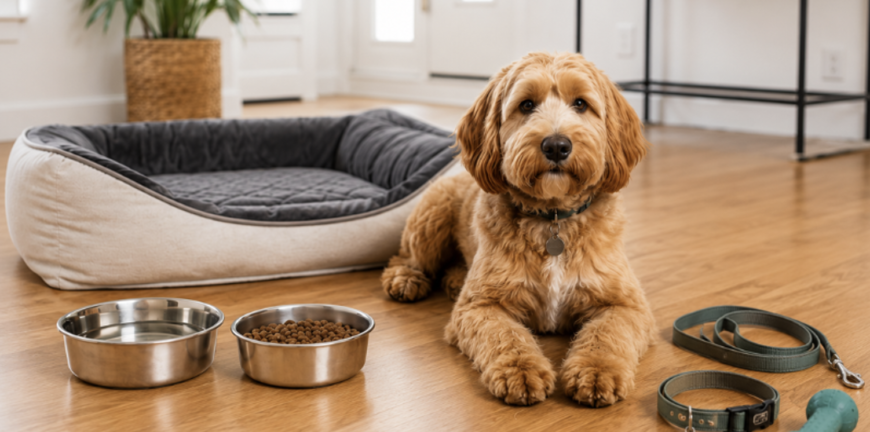
Essential Dog Must-Haves: A Complete Checklist for Everyday Care
Essential dog must-haves are the everyday items that support a dog’s safety, nutrition, comfort, hygiene and overall wellbeing. A complete setup includes secure walking equipment, up-to-date identification, suitable food, fresh water, a comfortable sleeping area, grooming supplies and age-appropriate enrichment. Having these supplies ready helps make daily routines safer and more manageable. Each item should be selected according to the dog’s age, size, health and individual needs.
During my years reviewing pet-friendly accommodation and travelling with different pets across Australia, one of the most common issues I’ve seen is poorly fitting harnesses and worn leads. Checking equipment regularly takes only a minute but can prevent escapes.
Durable dog toys can encourage interactive play and mental stimulation, while durable chew toys provide an appropriate outlet for natural chewing when selected for the dog’s size, chewing strength and play style. Other useful supplies, such as cleaning products, travel restraints and a basic first-aid kit, can help owners prepare for less predictable situations. This complete checklist covers the essentials for everyday care, training, travel and unexpected situations. Use it to build a practical setup that can be adjusted as your dog’s needs change.
Key Takeaways
- Prioritise safety, identification, food, water and a quiet place to rest.
- Choose every item according to the dog’s age, size, health, coat and behaviour.
- Combine toys, training and sniffing activities for meaningful enrichment.
- Check collars, harnesses, leads, bedding and toys regularly for wear or poor fit.
- Keep veterinary details, travel supplies and emergency information accessible.
The Essential Dog Checklist at a Glance
Before bringing a dog home, prepare the basic supplies needed for feeding, walking, resting and household safety:
✓ Fitted collar or harness
✓ Identification tag
✓ Registered microchip
✓ Fixed-length lead
✓ Waste bags
✓ Complete and balanced dog food
✓ Food and water bowls
✓ Comfortable bed
✓ Secure resting or containment area
During the first week, consider adding:
✓ Training treats
✓ Suitable toys and chews
✓ Grooming tools
✓ Dental-care products
✓ Enzymatic cleaner
✓ Crate, pen or gate when needed
Optional products should solve a genuine need. Observe the dog’s habits before purchasing specialised beds, feeding tools or a large collection of toys.
Identification and Walking Equipment
Every dog needs secure walking equipment and a dependable way to be identified if separated from its owner.
Walking and Identification Checklist
✓ Flat collar for carrying an identification tag
✓ Properly fitted harness when additional control is needed
✓ ID tag displaying a current mobile number
✓ Registered microchip with accurate contact details
✓ Sturdy fixed-length lead
✓ Waste bags for daily walks
✓ Long line for recall training when appropriate
A flat collar is useful for identification, while a well-fitted harness may provide better control or reduce pressure on the neck. The most suitable option depends on the dog’s body shape, strength, health and escape risk.
The fit should be snug without restricting breathing or shoulder movement. Check for rubbing, throat pressure and loose sections. Puppies and dogs experiencing weight changes need frequent fit checks.
For most daily walks, a lead approximately 1.2 to 1.8 metres long provides predictable control. Retractable leads may provide less immediate control and can create entanglement risks near roads, other dogs and busy pathways.
Food, Water and Feeding Supplies
Dogs need complete nutrition, unrestricted access to fresh water and hygienic feeding equipment.
Feeding Supplies Checklist
✓ Complete and balanced food for the correct life stage
✓ Durable food bowl
✓ Clean water bowl
✓ Measuring cup or food scale
✓ Small training treats
✓ Airtight food-storage container
✓ Slow feeder when needed
✓ Puzzle feeder or food-dispensing toy
Choose food according to the dog’s life stage, body size, activity level and health. Puppies require diets formulated for growth, while adult and senior dogs may need different calorie levels, nutrients or textures.
Food packaging should indicate that the product is complete and balanced for the intended life stage. Dogs with allergies, digestive conditions or other medical needs should follow veterinary guidance.
Stainless-steel bowls are durable and easy to clean. Intact ceramic bowls may also work well, but chipped or cracked surfaces should be replaced. Wash food bowls after use and refresh drinking water daily.
Training treats should be small and easy to deliver quickly. High-value rewards are useful for recall or distracting environments, while lower-calorie options are more suitable for frequent practice.
Beds, Safe Spaces and Household Containment
Every dog needs a comfortable place where sleep and downtime are protected from excessive noise, visitors and other animals.
Comfort and Safety Checklist
✓ Bed large enough for the dog to lie naturally
✓ Washable bed cover
✓ Supportive foam when needed
✓ Crate, exercise pen, gate or dog-proofed room
✓ Secure fencing, gates, doors and balconies
✓ Safe storage for medicines and household chemicals
✓ Secured rubbish bins
✓ Non-slip flooring for dogs with mobility difficulties
Choose a bed that allows the dog to stretch, curl up and change positions comfortably. Washable covers, durable stitching and moisture-resistant inner layers make maintenance easier. Senior dogs and dogs with joint discomfort may benefit from supportive foam and low edges.
Place the sleeping area away from heavy foot traffic, draughts and direct afternoon heat.
A crate, exercise pen, baby gate or dog-proofed room can support toilet training, recovery, household deliveries and introductions to other pets. These tools should never replace exercise, social contact or training.
A correctly sized crate allows the dog to stand, turn, stretch and lie comfortably. Introduce it gradually with meals, treats and calm sessions. Dogs that show panic or repeatedly attempt to escape may need a different setup and professional behavioural guidance.
Toys, Chewing and Mental Enrichment
Dogs need safe opportunities to chew, sniff, search, solve problems, chase, tug and interact socially.
Toy and Enrichment Checklist
✓ Food-dispensing or puzzle toy
✓ Tug toy
✓ Retrieve toy
✓ Scent or search activity
✓ Size-appropriate chew
✓ Safe teething option for puppies
A small toy rotation is often more useful than a large collection. Rotating toys can maintain interest without creating unnecessary clutter.
Choose every toy according to the dog’s body size, jaw strength and play style. Toys should be too large to swallow and should not break into sharp or easily ingested pieces. Heavy chewers generally require different materials from puppies or gentle players.
No toy is completely indestructible. Inspect toys regularly for:
- Damaged seams
- Loose squeakers
- Deep cracks
- Sharp edges
- Missing fragments
Remove damaged toys immediately. Enrichment is also broader than physical toys. Sniffing walks, scatter feeding, hide-and-seek games, short reward-based training sessions and controlled social play can support emotional wellbeing.
Grooming, Dental Care and Cleaning Supplies
A basic grooming kit should match the dog’s coat, skin, nails, ears and tolerance for handling.
Grooming and Cleaning Checklist
✓ Brush, comb or grooming mitt suited to the coat
✓ Dog-formulated shampoo
✓ Absorbent towels
✓ Nail clippers or nail grinder
✓ Dog toothbrush
✓ Dog-safe toothpaste
✓ Enzymatic cleaner
✓ Pet-safe household cleaning products
Short coats may only require a soft brush or rubber mitt. Long, curly and double coats often need tools that prevent tangles and remove loose undercoat. Use shampoo formulated specifically for dogs because human products may irritate canine skin.
Keep absorbent towels near the entrance for wet paws and muddy coats. Nail clippers or a grinder can be useful when introduced gradually, although owners who are uncertain should seek help from a groomer or veterinarian.
Dental care deserves the same attention as coat care. Begin with short, rewarded sessions using a dog toothbrush and dog-safe toothpaste. Human toothpaste should never be used. Home care supports dental health but does not replace professional veterinary assessment.
An enzymatic cleaner is especially useful for puppies, newly adopted dogs and dogs that experience medical accidents. It breaks down organic residue rather than simply covering the smell.
Veterinary, Travel and Emergency Essentials
Responsible dog ownership requires an organised health and emergency plan as well as physical supplies.
Health and Travel Checklist
✓ Regular veterinary clinic and emergency contact
✓ Vaccination and health records
✓ Parasite-prevention plan
✓ Medication instructions
✓ Basic first-aid kit
✓ Car restraint, secured crate or vehicle barrier
✓ Portable water bowl
✓ Spare food and medication
✓ Towels and waste bags
✓ Spare collar and lead
✓ Emergency information sheet
Arrange a veterinary examination soon after bringing the dog home. Discuss vaccinations, parasite prevention, dental care, body condition, desexing and breed-specific concerns. Keep medication instructions and veterinary contact details together.
A basic first-aid kit may contain:
- Gauze and non-stick dressings
- Saline
- Disposable gloves
- Blunt-ended scissors
- Tick-removal tool
- Clean towel
The kit supports safe transport to veterinary care but does not replace professional diagnosis or treatment. Never give a dog human medication unless directed by a veterinarian.
For car travel, use an appropriate restraint, secured crate or vehicle barrier. The restraint should prevent the dog from moving freely around the vehicle or distracting the driver.
An emergency information sheet should include the dog’s microchip number, feeding routine, medications, veterinary clinic and alternative caregiver.
Adjust the Checklist to the Individual Dog
The best essentials depend on the dog’s life stage, body size, health, temperament, environment and routine.
Puppy Checklist
✓ Growth-appropriate food
✓ Adjustable collar or harness
✓ Toilet-training supplies
✓ Enzymatic cleaner
✓ Safe teething toys
✓ Crate, pen or gate when appropriate
✓ Frequent equipment-fit checks
Puppies grow quickly, so collars, harnesses, crates and beds should be checked regularly. They also need close supervision while learning which objects are safe to chew.
Adult or Rescue Dog Checklist
✓ Secure gates and doors
✓ Quiet resting area
✓ Predictable feeding and walking routine
✓ Low-pressure enrichment
✓ Long line for gradual recall training
✓ Updated identification details
Avoid introducing too many new products, people and activities at once. Give a newly adopted dog time to settle before deciding which additional supplies are necessary.
Senior Dog Checklist
✓ Supportive bedding
✓ Non-slip flooring
✓ Accessible food and water bowls
✓ Low-entry resting area
✓ Warm sleeping location
✓ Veterinary-approved mobility support
Senior dogs may experience changes in mobility, appetite, temperature tolerance and sleep. Their setup should be reassessed as their physical needs change.
Active and Outdoor Dog Checklist
✓ Portable water and travel bowl
✓ Paw-care supplies
✓ Quick-drying towels
✓ Secure travel restraint
✓ Dedicated outdoor or travel kit
Dogs that hike, swim or travel regularly may need additional supplies suited to their activities. Climate also matters. During hot Australian weather, provide shade, carry water and schedule walks during cooler parts of the day.
Frequently Asked Questions
What should be purchased before bringing a dog home?
Prepare food, bowls, a fitted collar or harness, lead, identification tag, bed, waste bags and a secure resting area. Toys, grooming products and cleaning supplies can be added during the first week.
Does every dog need a crate?
No. A crate can support rest, transport and household management, but some dogs are more comfortable in a pen, gated area or dog-proofed room.
Is a collar or harness better?
A collar is useful for carrying identification. A harness may provide greater comfort or control for some dogs. Correct fit and suitability are more important than choosing one option for every dog.
How many toys should a dog have?
A small rotation covering chewing, food enrichment, tugging, retrieving and scent work is usually more useful than a large collection of similar toys.
What do new dog owners often forget?
Commonly forgotten items include updated microchip details, an enzymatic cleaner, dental supplies, a travel restraint, emergency contacts and a realistic veterinary budget.
How often should dog essentials be checked?
Inspect walking equipment and toys before use, wash bowls daily, check bedding weekly and reassess fit whenever the dog’s weight, coat or body shape changes.